
Holy Wine: Vin Santo


I'm starting my review series on different types of wine, which wine lovers will find interesting, with a "Sacred Wine."
What is Vin Santo?
Vin Santo is a type of Passito wine. Passito is actually a general name for sweet wines made from dried grapes. The word Passito comes from the Italian word "appassimento," meaning wilting. After the drying process, the sugars in the grapes concentrate, resulting in wines with a higher alcohol content, sweeter aroma, and tannins.
Vin Santo is a sweet wine from the Tuscany region. This wine distinguishes itself from others through its unique production technique. The name Vin Santo is used only for wines produced in Tuscany, as it originates from that region.
What makes it different from the others?
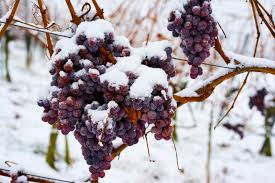
When harvest time arrives, the grapes are harvested by hand but are not used for winemaking. That is, the grapes are not pressed. Instead, they are hung bunch by bunch in covered areas, often with netting to protect them from flies, and left to partially wilt for 3 to 6 months.
During this process, the grapes undergo several changes in structure. The grape juice decreases, while the sugar concentration increases. After 6 months, the grapes enter the fermentation process. Following fermentation, the resulting wine (specific to this type of wine) is poured into small barrels and left to age for 3 to 6 years. After this long maturation process, which will reflect the wine's character, the wine reaches the desired character and finally takes its place on the table as a full-bodied, usually very sweet wine with aromas of hazelnut, caramel, honey, tropical fruit, perfume, and dried apricot.
The grapes used in Vin Santo wines are endemic: they are generally made from grapes not typically used in winemaking. This is because these grapes often lack the desired aromas in white wines. Not every grape is suitable for winemaking, and even if it is, it won't be good. However, some wine types use certain different grape varieties, albeit as exceptions. Vin Santo is one of them. Examples of the aromas expected from white grapes used in white wines include the mineral character of Emir grapes, the medium-to-high acidity complemented by the fresh and youthful aromas found in Sauvignon Blanc, and the floral and citrus aromas of Narince grapes.
Grapes Used in Vin Santo Wine
Grapes that were not widely used in winemaking in the past have been brought back into prominence with Vin Santo wine. This style of wine is typically made with a blend of Trebbiano grapes, which add honey aromas, and Malvasia grapes, which add pleasant fragrant notes.
What are the origins of Passito wines?
These grape wines, made by partially drying/withering the grapes, were developed in ancient Greece to extend the shelf life of the wine because they are higher in alcohol and more stable. Later, this technique spread to the Mediterranean, and the Romans brought this winemaking style with them when they conquered Europe.
Passito-style wines are produced in Italy and Greece, which have more raisin wines than any other country.
Holy Wine!
Vin Santo is more than just a wine; it reflects a culture and has many stories associated with it. One of these is its reputation as Holy Wine. This story stems from the fact that the grapes, harvested after the grape harvest, are dried until the beginning of Easter week. Because the grapes are pressed and undergo fermentation during Holy Week, this type of wine takes its name from Holy Wine. Another theory suggests that this wine was also used for religious purposes.
Another special story is that Vin Santo's roots are steeped in tradition, intertwined with sincerity and family culture. In the past, every family had its own unique Vin Santo recipe, specific to the wine. Depending on the maker's recipe, a wine with varying degrees of sweetness was obtained. These wines were offered to guests as a welcome drink or served after meals. For them, this wine was a symbol of hospitality.
Although it's renowned as a sweet wine, it's worth noting that its quality can vary from dry to sweet among producers.
See you again with different types of wine… 🙂


Comments