
What is Ice Wine? The Sweetest Secret of Cold Climates

Not:Bu yazım Turizm Günlüğü Gazetesinde Yayımlanmıştır.
Ice Wine, made from frozen grapes, is one of the most valuable sweet wines produced using rare and laborious methods in cold climates. This special wine, which cannot be produced in Türkiye, is the subject of our exploration to discover how it's made, why it's so rare, and the aromatic qualities that make it unique.
ICE WINE
For the second installment of my review series on different types of wine, which is followed with great interest by wine lovers, we embark on a journey to colder climates.
If we were to describe it as ice wine: What's the first thing that comes to mind when you hear "ice wine"?
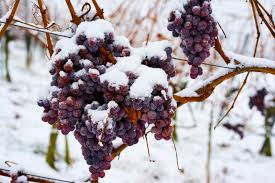
If your answer is something like "it's served ice cold" or "it's served on ice," then read on. Because the reason this type of wine gets its name isn't because it's served cold, but entirely because of its production method.
Ice Wine, as the name suggests, is a type of wine made by freezing grapes. This method makes Ice Wine a unique type of wine. This type of wine differs from wines made by wilting grapes – which I mentioned in my previous article. Unfortunately, it is a type of wine that Turkish winemakers do not have the opportunity to produce.
We delve into how freezing, a major problem for winemakers, is the reason behind the existence of ice wine.
How was ice wine discovered?
Ice wine is among the most unique types of wine in the world, and also among the most difficult to produce. This wine, eagerly awaited each season, is a gift from the weather and Mother Earth.
This type of wine is thought to originate in Germany. It was discovered by chance in 1794 when grape growers, who regularly harvested their grapes, decided to make wine from the frost-damaged vines after an unexpected frost. While this first "Eiswein" (Ice Wine in German) was successful, they didn't dare make it again for about 200 years. Only then did Ice Wine become a symbol of prestige and secure its place on wine lovers' lists.
What is Ice Wine?
Unlike other wines, ice wine is a type of wine produced by leaving the grapes on the vine until the end of winter. In other words, this type of wine is made by freezing the grapes on the vine throughout the winter. This wine is generally produced in countries with winters that can reach temperatures as low as -28 degrees Celsius.
"Making ice wine is like gambling in a casino," says Dr. Richter.
Grapes left on the vine until the end of winter freeze and thaw many times, and this process ultimately enriches their flavor profile, making it more complex. Artificially freezing grapes to produce wine does not make it Ice Wine. To label it as Ice Wine, the grapes must freeze on the vine at temperatures as low as -28 degrees Celsius.
As grapes freeze and thaw on the vine, their sugar content intensifies, resulting in a very sweet wine. However, the most important factor here is that the sugar in the grapes doesn't freeze; only the water freezes . The freezing process doesn't affect the sugar or other complex organic components related to flavor. Only the water inside the grape freezes. When the water freezes, it expands and breaks down the cells, and when the grape thaws again, this damage to the cells allows more of the intense aromas, sugars, and flavor profiles in the grape to be released.
How are grapes harvested?
The grapes are harvested by hand.
Another important factor is the direct removal of the frozen juice from the grapes. The most important thing for this is that the grapes are harvested and pressed while they are still frozen. For this, a special harvest day is chosen, or they are picked at midnight under the moonlight or in the early morning with headlamps. The air temperature should be between -8 and -10 degrees Celsius on average. When grapes are pressed while frozen, most of the juice remains as ice and is discarded without mixing with the must. Three to four kilograms of grapes are needed to produce a 37.5 cl bottle. This results in a very concentrated and sweet juice.
Fermentation and Aging
The resulting fruit juice is then subjected to fermentation. However, due to its high sugar content, the fermentation process is slow and can take several months. The wine produced at the end of fermentation has rich aromas, is sweet, and generally has flavors of tropical fruits, honey, and citrus. Furthermore, the high sugar level acts as a natural preservative in the wine, allowing it to age. This enables the wine to develop, change, and ultimately develop more complex flavors over time.
Furthermore, studies have shown that the initial sugar concentration for ice wine fermentation should be kept below 500 g/L, as this is more beneficial for initiating yeast fermentation and improving ice wine quality. Groups with low sugar concentrations (370 and 450 g/L) produced ice wine with a clear, pleasant taste, balanced flavor, and superior aftertaste, while groups with high sugar concentrations (500 and 550 g/L), although exhibiting a noticeable sweetness, resulted in an unbalanced flavor profile and an inadequate aftertaste.
A Sensory Journey
Tasting iced wine offers a sensory journey that extends from the flavor on the palate to the aroma and visual cues on the nose. However, it's important to remember that this is true for all wines. The moment you pour the wine into the glass, it conveys many messages. Wines of this type typically range in color from light yellow to amber. Due to its dense structure, it has a strong and rich aroma with notes of tropical fruits like pineapple, stone fruits like apricot and peach, citrus, and honey. As it ages, the fresh fruit notes can give way to more complex aromas such as dried fruits, nuts, and caramel.
How should it be drunk?
Ice wine should generally be served at a temperature of 6-10 degrees Celsius. White, rosé, and dessert wines are usually served within this range. This range helps to highlight the refreshing acidity of the wine and balance its intense flavors. Red wines have different serving temperatures, but we'll discuss the reason for that in a separate topic.
Small glasses are generally used when drinking this type of wine. A white wine glass is suitable. These types of glasses help to intensify the aromatic scents, bringing them to the nose and towards the palate. They also warm up quickly compared to larger glasses, preventing other ingredients in the wine from dissolving too rapidly.
What should it be consumed with?
Simply put, dessert wines are wines served with desserts.They can be preferred after a meal, but this type of wine, with its slightly richer and more delicate creamy texture, also pairs well with dishes like foie gras. The relationship between wine and food is quite important. Achieving balance on the palate is just as important as choosing the right wine. The more balance you can create, the more enjoyable the combination will be. It's not the main topic here, but going a little deeper, the primary motivation in wine drinking is crucial. Do you want to eat or drink? If you want to eat, you should choose your wine accordingly. If you want to drink, you should choose your wine accordingly. For example, if you're in Italy and want to eat a delicious pizza, a good white wine can accompany a good cheese pizza. But if you're in Turkey and your primary motivation is to eat a good kebab, you can choose a red wine depending on the situation. However, Ice Wine is generally preferred as a dessert wine after a meal. But we shouldn't ignore the adventurous side of Ice Wine. This bold style of wine opens the door to many different dishes.
Which grapes are used?
Ice wine is typically made from grapes such as Cabernet Franc, Riesling, and Vidal, but New World winemakers are now experimenting with making ice wine from many different grape varieties. Ice wine can be found in white, orange, and red varieties. (Orange wine seems like it will be the subject of our next article.)
Ice wines are generally produced in countries with cold climates, the most important of which is Canada, particularly the Niagara Peninsula in Ontario. Another important country is Germany, where it is known as "Eiswein" in German and is produced in the Mosel, Rhineland, and Palatinate regions.
Given its labor-intensive nature and the impact of global climate change, this makes Ice Wine quite significant and, consequently, quite expensive.
See you in the next round of interesting wine selections.
Erdi Sağdıç


Comments